Archive for the ‘Chicken care’ Category

The Importance of Quarantine: Great Article


Quarantine is important to any flock of birds, exotic or domestic. This article illustrates the effects of disease in a New Hampshire chicken-keeping community.

For more information on chicken diseases, join me on May 31 for my next chicken health class at the Oak Park Conservatory: http://www.pdop.org/parks-facilities/oak-park-conservatory/

I’ll also be leading a health class in July with Angelic Organics Learning Center.

Upcoming Events and Classes


Here is a list of the upcoming events on the docket!

5/17  I’ll be on the WGN News at 9pm along with Oak Park chicken-keeper, Margot McMahon. The piece may rerun on the morning, midday, or 5PM News the next day. 

5/24   Oak Park Conservatory: chicken keeping class: http://www.pdop.org/parks-facilities/oak-park-conservatory/

5/31   Oak Park Conservatory: chicken health class: http://www.pdop.org/parks-facilities/oak-park-conservatory/

6/21   Homewood: chicken keeping and coop building classes

6/23   Lemont: chicken keeping class

6/28   Toyota Park: Cook County 4-H Fair judge

7/21   Northlake: chicken keeping class

7/26   Deerfield: chicken keeping class

7/??   Location TBD:Chicken health class with Angelic Organics Learning Center

9/20-21 Windy City Coop Tour

Fall 2013 Classes


Home to Roost will be leading the following classes:

October 19, 2013: Poultry Palooza at the Chicago Botanic Garden!

Join urban chicken consultant Jennifer Murtoff for two workshops on how to successfully raise and enjoy chickens in your backyard! Register for both sessions at once and receive a 10 percent discount.

Raising Backyard Chickens
This class is designed for curious people who are considering raising backyard chickens, as well as for those who already have their own birds and who want to learn more! Come learn about local laws, how to raise chicks, care for adult birds, and keep your neighbors happy!

Raising Healthy Chickens
Are you interested in knowing how to care for your birds in an emergency situation? Better yet, what IS an emergency for a chicken? Come learn the signs of a sick bird, what to do to help her, and where to seek care if the situation is beyond your ability.

To register for these classes, go to the Botanic Garden’s website and search on “chickens.”

November 9, 2013: Basic Backyard Chicken Care

Back for another season, Angelic Organics Learning Center is hosting another chicken-keeping class with Home to Roost. For more information, see the page on the Angelic Organics Learning Center’s website.

Stay tuned for more upcoming events!

Wisdom for Hen Keepers (a project of Home to Roost’s heretofore unsung editorial wing)


I’m tooting my own horn here, but my “other” job – as if chicken consulting weren’t enough of a vocation – is editing, writing, and translating. I got a email a few months back, stating that someone was looking for someone to convert a book by a British writer to American English and practices. The topic: Chicken keeping.

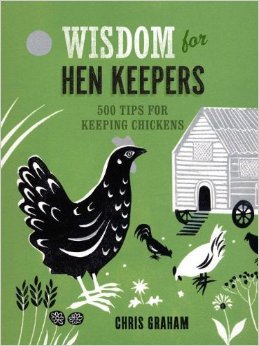
Here is the result, hot off the press: Wisdom for Hen Keepers. I got my smart-looking little comp copies today.

It’s a nice little book, chock-full of chook wisdom. While I can’t take credit for the bulk of the content (I’ll leave that to Chris Graham), it was a fun little project that I’m proud to have had a hand in!

51KL72uI93L._SY344_BO1,204,203,200_

Video on Giving Fluids to Chickens


If you have to give fluids, such as oral meds, to your chickens with a syringe, I’ve created a video tutorial to show how I do this.

Feeders and Spillage


Chickens are messy eaters. Food on the ground, dirt in the feeder, food in the water, bedding in the feeder, poop in the feeder… and then opportunists like mice, rats, and wild birds may come calling, bringing diseases along with them. Not to mention the wasted food.

What’s a good solution?

If you’re having trouble with food spillage, you can place the feeders on bricks or cinderblocks so they are about at the height of the hens’ backs. This forces the birds to eat up high, and prevents them from scratching the feed out with the feet, or “beaking out” the feed with their beaks. In the image below, the waterers have been blocked up off the floor. The same can be done with feeders. Feeders can also hang from the ceiling to keep them at an appropriate height off the floor.

OLYMPUS DIGITAL CAMERA

A second solution is to place the feeders in the coop. This will make it more difficult for visitors to find the food, especially if they are nocturnal visitors who come around to a closed-up coop.


A third option is to switch from mash, which is finely ground and messy, to pellets, which are easily snatched up one at a time by the hens. The down side of pellets is that some nutrition is lost in the processing.

Another option is to purchase a specialized feeder that opens only when a certain weight hits the trip pedal. One of my clients is delighted with the Grandpa’s Feeder she purchased. While it was expensive, she says it was well worth it.


Chickens and Hot, Humid Weather


As the temperatures and humidity soar, you’ll want to help your hens keep cool. A few tips for helping your hens beat the heat!

As the temperatures hit the mid-80s, your birds will probably start panting. If temperatures hit above 100, your birds may suffer heatstroke. Here are some tips, excerpted from my class on chickens and heat, to prevent that.

1) Provide fresh, clean water – and lots of it.

2) Freeze 2-liter bottles and put them in the coop to cool it down.

3) Remove excess bedding, which traps heat.

4) Feed a crumble feed, rather than a whole-grain food. Grains generate heat as they are metabolized.

5) Provide shade.

6) Mist their favorite dustbath areas so that the soil is damp (but not muddy).

7) Provide shallow pans of cool water that they can stand in.

8) Create air movement.

If you notice that the birds are listless and lethargic (signs of heat stress), consider bringing them into a cool basement or to an airconditioned mudroom (in a dog crate or portable cage). Make the transition gradually (don’t bring them directly in to a room that is 20 degrees cooler). Help cool birds down by applying cool (not cold) compresses to comb, wattles, and feet.

As always, keep an eye on your birds and know what’s normal for them. This will help you catch problems before they become life threatening.
Nov. 9, 2013: Chicken-Keeping Workshop in Chicago


The next Basic Backyard Chicken Care workshop will take place on Saturday, November 9, from 10AM to 1PM.

Now in its 11th offering, this workshop for prospective and new chicken keepers offers 3 packed hours of comprehensive info about raising city chickens.


July 18, 2013: Chicken Health Workshop


REGISTER NOW for the first Urban Chicken Health Care workshop on Thursday July 18 from 6:30-8:30 PM at Wellington Ave United Church of Christ, 615 W Wellington Ave in Chicago.

Developed and taught by Home to Roost Urban Chicken Consultant Jen Murtoff, the workshop will cover prevention, basic troubleshooting, and care for common chicken health issues and injuries.

This workshop is for backyard chicken keepers who are already experienced in basic care, and who want to advance their knowledge and skills.

– See more at: http://www.learngrowconnect.org/node/4994#sthash.mCCLwjeI.dpuf

This is an *advanced workshop* for chicken keepers who are already experienced in basic care, and who want to advance their knowledge and skills.


June 8, 2013: Chicken-Keeping Class at Green Home Experts in Oak Park


Follow the Facebook link to register for my next chicken-keeping class, June 8, 2013, at Green Home Experts in Oak Park.

This class is designed for curious folks who are considering getting chickens, as well as for those who already have their own birds and who want to learn more! Come learn how to raise chicks, care for adult birds, and keep your neighbors happy!

5 happy hens email