Bird Flu in Northern Illinois: How to Keep Your Chickens Safe


Avian influenza, commonly known as bird flu, has been spreading in northern Illinois, particularly in areas like Woodstock that are along major migratory routes. This map from the CDC shows where the virus was detected in wastewater as of January 2, 2025. 

The virus can kill chicken flocks, both commercial and backyard, so it’s important for chicken keepers in this area to be aware and take precautions. 

How Bird Flu Spreads

There are several different strains of the bird flu virus, including the H5N1 variety, which can transfer to humans. The virus spreads when chickens come into contact with infected birds. Chickens and other fowl can also contract the virus through indirect contact including shared water and soil or other surfaces contaminated with droppings. Wild waterfowl, like ducks and geese, can carry the virus without showing symptoms and are a major source of infection for domesticated birds. They may release droppings when flying, which contaminate areas where chickens forage.  

Risks to Humans and Chickens

The Illinois Department of Public Health (IDPH) warns that the H5N1 strain of bird flu can infect humans through contact with infected birds or contaminated surfaces. Human symptoms include fever, cough, severe respiratory distress, and conjunctivitis, among others. These symptoms may resemble other respiratory illnesses and require careful clinical evaluation for accurate diagnosis. Early detection and treatment are critical.

Poultry specialist Dr. Anne Staudenmaier states that the symptoms of the virus in chickens can vary, depending on the strain. Some symptoms may be caused by other conditions, but there is always concern when multiple birds in a flock show signs in a short period of time, as opposed to just one bird, or over a period of weeks or months. These signs include:

  • Decreased egg production or abnormal eggs
  • Swelling of the head/comb/wattles/eyelids
  • Purple discoloration of the wattles/comb/legs
  • Nasal discharge, coughing, sneezing
  • Diarrhea
  • Lack of coordination
  • Decreased appetite
  • Sudden death

For chickens, bird flu is highly lethal, with survivors often carrying and spreading the virus, including to other flocks. These outbreaks can cause significant economic losses and disrupt poultry operations, emphasizing the need for stringent biosecurity measures.

While not all strains of avian flu are deadly, the virus is similar to the human flu virus: it mutates and changes over time, meaning there is always a chance a virulent strain that could affect humans may develop. In fact, recent reports show bats carrying several new avian influenza strains. For this reason, it is critical to manage avian influenza effectively. For more details, refer to the Illinois Department of Public Health’s advisory.

Protecting Your Backyard Flock

Wild birds are responsible for most cases of transmission to backyard flocks. Shore birds and waterfowl are considered to be natural hosts for influenza viruses and often spread disease during migration. Illinois is on a major migration path, called the Mississippi River flyway, which puts resident flocks at higher risk. To protect your flock, Dr. Geoff Lossie, formerly of Purdue University, points to the importance of biosecurity, especially now:

  • Limit the amount of contact that wild birds have with your birds, including access to food and housing.
  • Avoid hunting waterfowl because hunters can bring the virus back to their flocks.
  • Limit all unnecessary visitors, especially those who have their own poultry.
  • Do not interact with other keepers’ birds.
  • Do not share poultry equipment (feed/water dishes, cages, incubators, etc.) with other keepers.
  • Keep birds in an enclosed area with a roof to prevent contact with droppings from infected waterfowl flying overhead.   

Dr. Lossie suggests reading the information here

What to Do if Your Flock is Infected

According to the USDA, if birds exhibit show symptoms of avian flu or might have been exposed to birds with the disease, producers or bird owners should immediately notify federal or state animal health officials. All bird owners, whether commercial producers or backyard enthusiasts, should continue to practice good biosecurity, prevent contact between their birds and wild birds, and report sick birds or unusual bird deaths to state/federal officials, either through their state veterinarian or through USDA’s toll-free number at 1-866-536-7593. Additional information on biosecurity for backyard flocks can be found at Healthy Birds.

Local Recommendations

Health officials in DuPage County urge residents to follow these recommendations, as outlined by the DuPage Forest Preserve District:

  • Avoid feeding wild waterfowl. This will invite the birds to flock in a specific area, which can allow the virus to spread. It also increases risk of human contact. 
  • Feeders for songbirds are generally low risk. Do clean and disinfect the feeders when refilling. 
  • If you see more than five sick or dead birds in an area, report it immediately to the Illinois Department of Natural Resources (IDNR) wildlife biologist for DuPage County.
  • Safely dispose to dead birds, following the guidelines on the DuPage County Health Department avian flu webpage.
  • Keep pet birds and other fowl inside until risk decreases, or keep them in an enclosure with a roof that wild birds cannot enter.
  • Wildlife rehabbers may be limited in their operations due to tighter restrictions, so be understanding if they are unable to admit certains species.

For More Information

By staying informed and proactive, you can help safeguard your flock and reduce the spread of avian influenza.

Chicken Coop Available


CONTACT KELLY CALABRESE by Facebook Messenger or by email: kelly.calabrese@gmail.com

Kelly from Rogers Park is rehoming a coop. She says “The coop was in my backyard from a previous owner so I’m not sure how old it is. There were some abandoned eggs that I had to clear out so I think it was in use relatively recently. It is a little rough around the edges, especially the flower box in the back, but overall is quite adorable and I think it has some life left. It’s free if you can take it. The sooner the better but there’s no real deadline if there’s genuine interest and a plan.”

CONTACT KELLY CALABRESE by Facebook Messenger or by email: kelly.calabrese@gmail.com

Basic Backyard Chicken Keeping at Orland Park Public Library


Are you interested in starting your own backyard flock? Or maybe you already have a few feathered friends and want to expand your knowledge on their care? Join the Orland Park Public Library for Basic Backyard Chicken Keeping on Wednesday, November 6, 2024, from 6:30 pm to 8:30 pm. This free workshop is perfect for anyone eager to dive into the world of chickens, whether you’re a complete beginner or looking to brush up on the basics.

Held at the Orland Park Public Library (14921 Ravinia Avenue, Orland Park, IL), this event will provide valuable insights on everything from understanding local regulations to tips for keeping your chickens happy and healthy at all stages of life.

Whether your goal is fresh eggs or simply the joy of caring for these delightful birds, this session will set you up with the tools you need to succeed with backyard chicken keeping.

Important Registration Information:

  • Registration is required, and each participant may only register for one spot per library card.
  • Multiple registrations associated with the same library card will be canceled to ensure fair access for all interested attendees.

Event Details:

  • Location: Orland Park Public Library, 14921 Ravinia Avenue, Orland Park, IL 60462
  • Date/Time: Wednesday, November 6, 2024, 6:30 pm – 8:30 pm
  • Cost: Free

This is a great opportunity to connect with an experienced chicken keeper, ask questions, and meet others in the community interested in sustainable, backyard agriculture. For more information, visit the library’s event page.

Don’t miss this chance to embark on your backyard chicken journey!

Hens in Bolingbrook seeking home BY SATURDAY, Oct. 12.


These birds have been rehomed. Thank you for your interest.

Villa Park Public Library


Join us at the Villa Park Public Library for my basic chicken keeping class. It’s for curious folks who are considering getting chickens as well as for those who already have chickens and want to learn more. Learn how to find local laws, choose and raise chicks, and care for adult birds. Come prepared to ask questions and meet a live chicken! I look forward to seeing you!

Registration: https://villapark.librarycalendar.com/event/basic-backyard-chicken-keeping-35768

Time: 5:00 to 7:00 PM

Date: September 26, 2024

Location: 305 S. Ardmore Ave, Villa Park, IL 60181

Straight-Run Chicks Looking for Home


Contact Suzanne at suzannebavichai@gmail.com or (847) 421-3865 or Sam at (773) 255-7341. 

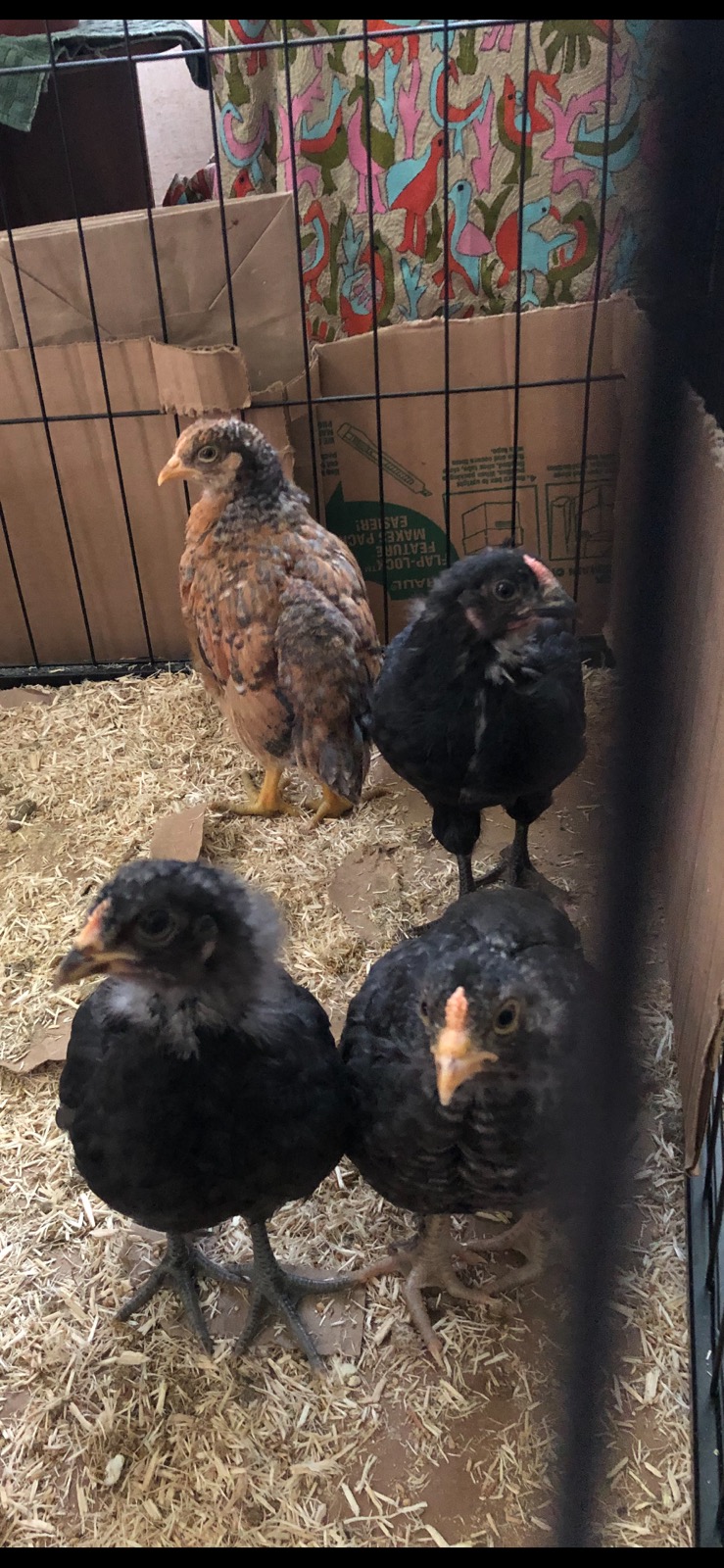
From Suzanne: The kids hatched chicks in their 6th grade science class, and their teacher had a family emergency so we’re trying to help with rehoming six straight-run chicks (meaning there is a 50% chance of getting males). They would like them to go to good, no-kill homes. The birds have been hand raised and are quite tame. They think two are roosters. The family is in Evanston. 

The school’s kindergarten teacher also has an additional 5 chicks who are just shy of 3 weeks old and hopes to find good, no-kill homes for them. 

Contact Suzanne at suzannebavichai@gmail.com or (847) 421-3865 or Sam at (773) 255-7341.

Welcome Back to Nature!


The Lake View Nature Center warmly invites you to celebrate the warm weather season at their “Welcome Back to Nature” event on Friday, June 7th, from 6:00 to 8:00 PM. Home to Roost will be there with a chicken, and could be bringing some other friends! This family-friendly festival is a free event designed for all ages, offering a perfect opportunity to enjoy the great outdoors together. Attendees can look forward to a variety of exciting activities, including animal encounters, fishing, games, crafts, and a cozy campfire.

This event is a wonderful chance to discover everything the Nature Center has to offer year-round. Whether you’re interested in learning more about local wildlife through interactive stations or simply enjoying some quality family time surrounded by nature, there’s something for everyone. The event promises a blend of education and entertainment, making it an ideal outing for families to create lasting memories.

No registration is required for this delightful evening of fun and exploration. Gather your family and friends and head to the Lake View Nature Center to welcome back the warm weather season in style. Don’t miss out on this fantastic opportunity to enjoy the beauty of nature.

For more information, visit the event page here


Event Details:

Date: Friday, June 7th

Time: 6:00 to 8:00 PM

Location: Lake View Nature Center 17W063 Hodges Rd, Oakbrook Terrace, IL 60181

Cute cochin bantam roo seeking home


Cochin bantam roo in Oak Park (IL) seeking home. 7 weeks old. Contact Kathryn: kathrynhumphreys4 AT gmail

Educational Programs for an Eco-Friendly Lifestyle: 25 Ready-to-Use Sustainable Living Programs for Libraries


Are you looking to integrate engaging and educational programs into your library that promote sustainable living? Look no further than the book 25 Ready-to-Use Sustainable Living Programs for Libraries. This comprehensive resource provides a diverse range of ready-to-implement programs designed to educate and inspire library patrons of all ages about sustainable practices. Purchase online at Amazon or the ALA Store

About the Book

25 Ready-to-Use Sustainable Living Programs for Libraries is a must-have for public and school libraries aiming to enhance their programming with sustainability-focused content. Each program is carefully crafted to be engaging, informative, and easy to implement, requiring minimal cost and preparation. From gardening and recycling to renewable energy and eco-friendly crafts, the book covers a broad spectrum of topics suitable for various age groups.

Featured Program: “All About Chickens!”

One of the standout programs in this collection is “All About Chickens!” a hands-on, educational program designed for children ages 3–7 and tweens ages 8–12. “All About Chickens!” invites young participants to explore the fascinating world of chickens through a variety of interactive stations.

The program begins with a brief lesson where kids learn about chickens’ physical characteristics, the differences between male and female chickens, the various types of feathers, and the parts of an egg. If time permits, children can also view a picture of a developing embryo inside an egg. Kids then move to stations where they compare and color or draw different breeds of chickens, explore the intricacies of feathers, examine eggs, and meet a live chicken (optional). Each station is supervised by an adult to ensure a smooth educational experience, and the program can host up to 15 participants with three stations, or 20 participants with four stations. Cost is minimal ($0–$50). 

Contact Home to Roost if you’re interested in hosting “All About Chickens!” at your library or school! 

Home to Roost Offering New Services


Attention all chicken enthusiasts! Home to Roost is expanding our services to better cater to the needs of your feathered friends.

Health Services

If you’re concerned about internal and external parasites, we offer the following new on-site services: 

Treatment for Common Poultry Pests: We now offer on-site treatment for internal and external parasites, which can wreak havoc on your chickens’ health and comfort.

Sample Collection for Disease Testing: Home to Roost can take samples that can be mailed out for analysis for diseases such as Marek’s and other common poultry illnesses. 

Vacation Assistance

Planning a vacation and need someone to look after your chickens while you’re away? Home to Roost has got you covered. We offered boarding and on-site pet sitting on a limited basis and also can be on-call for your pet sitter during your vacation. 
At Home to Roost, we’re passionate about poultry health and dedicated to providing top-notch care for your feathered companions. Contact us here for more details.